
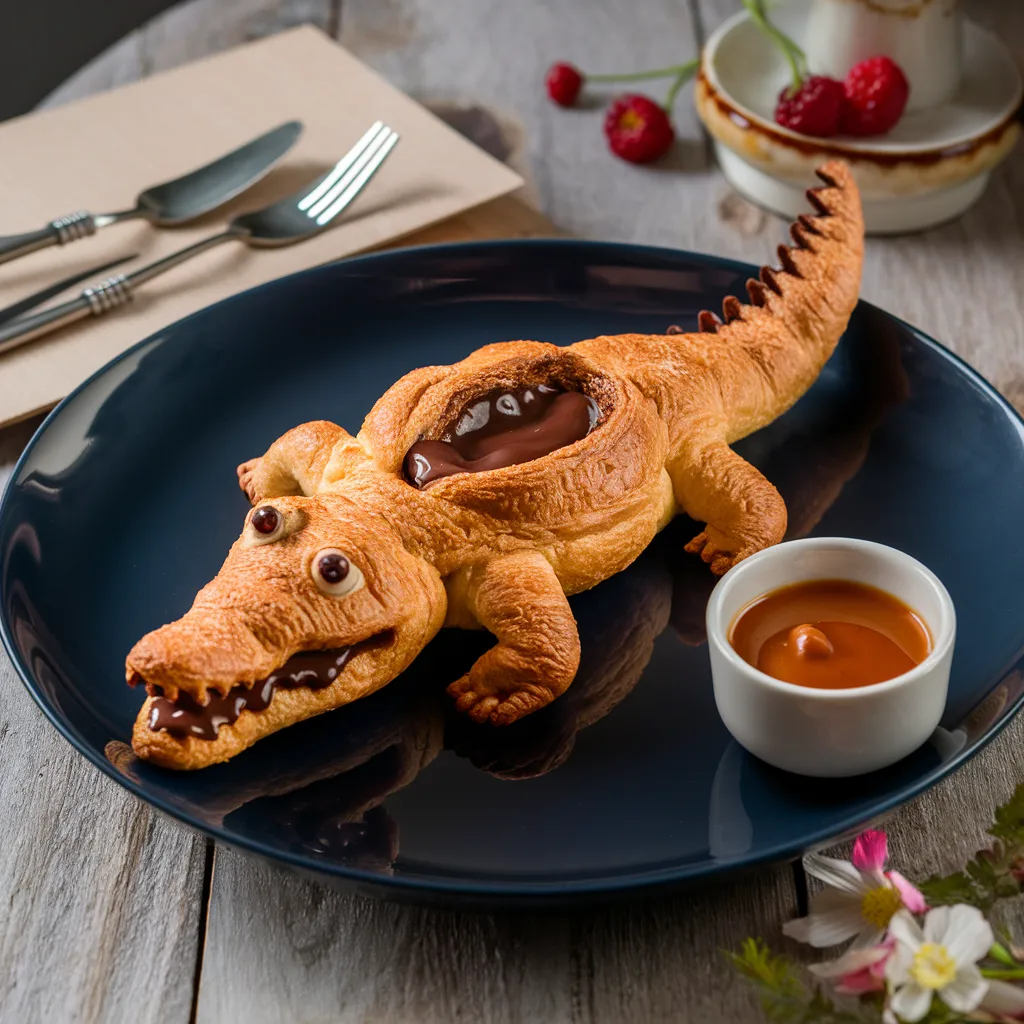
In the ever-evolving world of gastronomy, new culinary trends emerge that capture the imagination of food lovers around the globe. One such intriguing concept gaining attention is Crocolini — a term that has begun to appear in food discussions, social media posts, and innovative restaurant menus. While the name itself sparks curiosity, Crocolini represents more than just a dish; it embodies a creative approach to modern cuisine that blends tradition, artistry, and flavor innovation.
Crocolini has become a symbol of how chefs and food enthusiasts are reimagining classic recipes with a contemporary twist. Whether it refers to a unique pastry, a fusion snack, or a gourmet creation, Crocolini stands for craftsmanship, creativity, and the joy of culinary experimentation. This article explores the origins, meaning, and growing popularity of Crocolini, along with SEO-optimized titles, keyword explanations, and a detailed FAQ section to help readers understand why this trend is making waves in the food industry.
The Origins of Crocolini
The exact origins of Crocolini are somewhat mysterious, adding to its allure. The term is believed to have emerged from the fusion of culinary cultures, possibly inspired by Italian or French gastronomy, where creativity and presentation are as important as flavor. The name itself evokes a sense of elegance and playfulness, suggesting a dish that is both refined and approachable.
Crocolini may have started as a chef’s experiment — a reinterpretation of a classic pastry or snack — that evolved into a signature creation. Over time, it gained popularity through social media, where food enthusiasts shared photos and reviews, turning it into a viral sensation. Today, Crocolini is associated with artisanal craftsmanship, high-quality ingredients, and a focus on sensory experience.
Whether served in fine dining restaurants or boutique cafés, Crocolini represents a new wave of culinary innovation that celebrates creativity without compromising authenticity.
What Makes Crocolini Unique
The uniqueness of Crocolini lies in its balance of flavor, texture, and presentation. It is not just about taste but about the entire dining experience. Chefs who create Crocolini often emphasize visual appeal, using vibrant colors, intricate designs, and artistic plating to make the dish as beautiful as it is delicious.
From a flavor perspective, Crocolini combines contrasting elements — sweet and savory, soft and crunchy, traditional and modern. This harmony of opposites creates a memorable experience that appeals to both the palate and the imagination. The dish often features locally sourced ingredients, reflecting a commitment to sustainability and freshness.
Another defining feature of Crocolini is its versatility. It can be adapted to different cuisines and dietary preferences, making it suitable for a wide range of audiences. Whether as a dessert, appetizer, or main course, Crocolini can take on various forms while maintaining its signature elegance and creativity.
The Rise of Crocolini in Modern Cuisine
In recent years, Crocolini has become a symbol of the modern culinary movement that values innovation, storytelling, and emotional connection through food. As diners become more adventurous and open to new experiences, chefs are pushing boundaries to create dishes that surprise and delight. Crocolini fits perfectly into this narrative, offering something fresh yet familiar.
Social media has played a crucial role in popularizing Crocolini. Platforms like Instagram and TikTok have turned food into a visual art form, and Crocolini’s aesthetic appeal makes it highly shareable. Food bloggers and influencers have embraced it as a representation of creativity and sophistication, further fueling its global reach.
Restaurants that feature Crocolini on their menus often report increased customer engagement and curiosity. The dish’s uniqueness sparks conversation, making it a centerpiece of the dining experience. As a result, Crocolini has transcended its origins to become a cultural phenomenon that bridges the gap between art and gastronomy.
The Art of Making Crocolini
Creating Crocolini requires skill, precision, and imagination. The process begins with selecting high-quality ingredients that complement each other in flavor and texture. Chefs often experiment with combinations such as chocolate and citrus, herbs and cream, or exotic spices and fruits to achieve a distinctive taste profile.
The preparation involves multiple stages, from crafting the base to assembling the final presentation. Attention to detail is crucial — every element must contribute to the overall harmony of the dish. The final step is plating, where chefs use artistic techniques to transform Crocolini into a visual masterpiece.
For home cooks, making Crocolini can be an exciting challenge. While professional versions may require advanced techniques, simplified recipes allow enthusiasts to recreate the essence of Crocolini in their own kitchens. The key is to focus on creativity, balance, and presentation.
Why Crocolini Is More Than Just Food
Crocolini is not merely a dish; it is an expression of creativity and culture. It reflects the evolution of food from sustenance to art, from tradition to innovation. In a world where dining has become an experience rather than a necessity, Crocolini embodies the spirit of modern gastronomy — one that values emotion, aesthetics, and storytelling.
Moreover, Crocolini represents a shift toward mindful eating. Its intricate design and thoughtful preparation encourage diners to slow down, appreciate the craftsmanship, and savor each bite. This aligns with the growing global movement toward conscious consumption and appreciation of culinary artistry.
In essence, Crocolini is a celebration of imagination — a reminder that food can be both nourishing and inspiring.
Conclusion
Crocolini has emerged as a captivating symbol of modern culinary creativity. Its blend of artistry, innovation, and flavor has made it a standout trend in the global food scene. Whether enjoyed in a fine dining restaurant or recreated at home, Crocolini offers an experience that goes beyond taste — it tells a story of passion, craftsmanship, and the endless possibilities of gastronomy.
As the world continues to embrace new culinary ideas, Crocolini stands as a testament to the power of imagination in the kitchen. It invites chefs and food lovers alike to explore, experiment, and elevate the art of cooking. In doing so, it redefines what it means to enjoy food in the 21st century.
Frequently Asked Questions (FAQ)
1. What is Crocolini?
Crocolini is a modern culinary creation that blends traditional cooking techniques with contemporary innovation. It is known for its artistic presentation, balanced flavors, and versatility.
2. Where did Crocolini originate?
While its exact origins are unclear, Crocolini is believed to have emerged from European-inspired gastronomy, combining elements of Italian and French culinary traditions.
3. What makes Crocolini different from other dishes?
Crocolini stands out for its emphasis on creativity, presentation, and the harmony of contrasting flavors and textures. It is as much a visual experience as it is a culinary one.
4. Can Crocolini be made at home?
Yes, home cooks can create simplified versions of Crocolini using fresh ingredients and a focus on balance and aesthetics. The key is to experiment and personalize the dish.
5. Is Crocolini a dessert or a savory dish?
Crocolini can be either, depending on the ingredients and preparation. It is a versatile concept that adapts to different culinary styles.
6. Why is Crocolini becoming popular?
Its popularity stems from its visual appeal, innovative approach, and the growing global interest in creative, artisanal food experiences.
7. Where can I try Crocolini?
Crocolini is featured in select modern restaurants and patisseries known for experimental cuisine. It may also appear in pop-up dining events and culinary showcases.